
Oct 12, 2026Industry News & Trends
Can Luxury Packaging Use Fewer Materials Without Looking Less Premium?
Learn how mono-material packaging, recyclable paper structures and practical material choices can help luxury brands improve packaging sustainability without losing presentation quality.
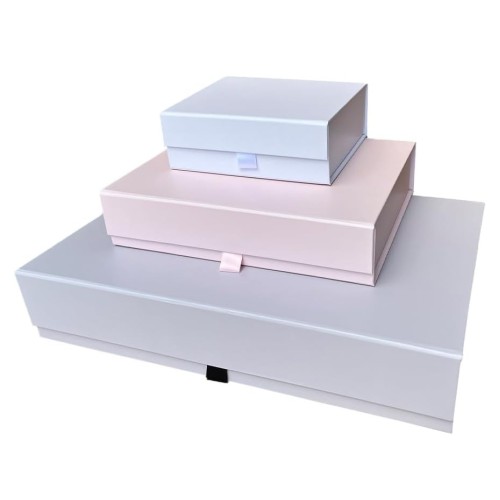
Luxury packaging is changing. More brands are reviewing how packaging materials and structures affect presentation, product protection and end-of-life considerations.
For paper packaging projects, mono-material thinking can be one useful direction.
The goal is not necessarily to make every package from only one material. Instead, buyers can review whether unnecessary mixed-material components can be reduced while still meeting the product's protection, presentation and production requirements.
What Is Mono-Material Packaging?
Mono-material packaging generally refers to packaging designed primarily around one material or material family where practical.
For paper-based packaging, this can mean keeping more of the structure paper-based and reviewing whether components such as plastic trays, foam inserts, magnets or other mixed materials are actually necessary.
However, a simpler material structure does not automatically mean a better package.
The packaging still needs to:
- Protect the product
- Work during packing and shipping
- Support the required presentation
- Be practical to manufacture
- Meet relevant target-market requirements
Why Are Luxury Brands Paying More Attention to Material Simplicity?
Luxury packaging often combines different materials to create structure, texture, shine or a particular opening experience.
These elements may be useful, but they can also make the packaging structure more complex.
For buyers, this creates an important question:
Does every component serve a necessary function?
If a component is important for protection, structure or presentation, there may be a good reason to keep it.
If it adds little practical value, buyers may want to explore whether the design can be simplified.
This is why mono-material thinking is less about following a trend and more about reviewing each component deliberately.
Where Can Paper-Based Structures Replace Other Components?
Depending on the product and required protection, paper-based structures may sometimes replace other packaging components.
Paperboard Inserts
Paperboard inserts can help organize and position lightweight products such as cosmetics, accessories, gift items and some electronics accessories.
Corrugated Inserts
Corrugated structures may provide additional support for heavier products or ecommerce packaging.
Structural Folds and Paper Locks
In some box designs, structural folds or paper-based locking features may reduce the need for additional closure components.
These alternatives are not suitable for every project. Product weight, shape, fragility and shipping conditions should be considered before changing the structure.
If you are deciding whether an internal support structure is necessary, see our guide on when packaging needs an insert.
Does Mono-Material Mean No Premium Finishing?
Not necessarily.
Luxury packaging can still use printing and finishing to create visual and tactile detail.
Depending on the project, options may include:
- Printing
- Embossing
- Debossing
- Foil stamping
- Spot UV
- Coatings or other surface treatments
However, finishing choices should not automatically be described as recyclable or environmentally preferable simply because the main packaging material is paper.
The complete material and finishing specification should be reviewed according to the actual packaging structure and target-market requirements.
For many designs, using fewer carefully selected finishes can also create a cleaner premium appearance.
What Buyers Should Check Before Production
Before choosing a mono-material or mainly paper-based packaging structure, buyers should review:
- Product dimensions
- Product weight
- Fragility
- Shipping method
- Retail or ecommerce use
- Internal support requirements
- Artwork
- Printing and finishing
- Packing method
- Quantity
- Target market
A cosmetic bottle, apparel item, electronics accessory and gift set may all require different packaging solutions.
The goal should therefore be to simplify the material structure where practical, rather than forcing every product into the same packaging approach.
Mono-Material Packaging Is Not the Same as “Paper Only”
This distinction is important.
A paper-based package may still contain adhesives, inks, coatings, foil or other elements required for manufacturing and presentation.
Likewise, replacing a functional protective component simply to make the package appear more sustainable may create other problems if the product is then damaged during shipping.
A more useful approach is to evaluate the complete packaging system:
Product → Protection → Structure → Materials → Printing & Finishing → Packing
This helps buyers identify where material complexity can realistically be reduced without compromising the packaging's main function.
How Jeeli Packaging Supports Paper Packaging Projects
Jeeli Packaging manufactures custom paper packaging including rigid boxes, folding cartons, mailer boxes, paper bags and hang tags.
For custom projects, we can review:
- Product size and weight
- Packaging structure
- Paper options
- Insert requirements
- Printing
- Finishing
- Packing requirements
- Order quantity
If reducing mixed-material components is important to your project, this requirement can be discussed during the structural and material review before sampling.
Final Thoughts
Mono-material packaging is not about removing every non-paper component at any cost.
It is about asking a more practical question:
Can this packaging structure be simplified while still protecting the product and delivering the required presentation?
For some projects, the answer may involve a paperboard insert instead of another material.
For others, it may mean simplifying the closure, reducing unnecessary components or selecting fewer finishing processes.
And in some cases, the existing mixed-material structure may still be necessary.
The right direction depends on the product, protection requirements, manufacturing process and target market.