
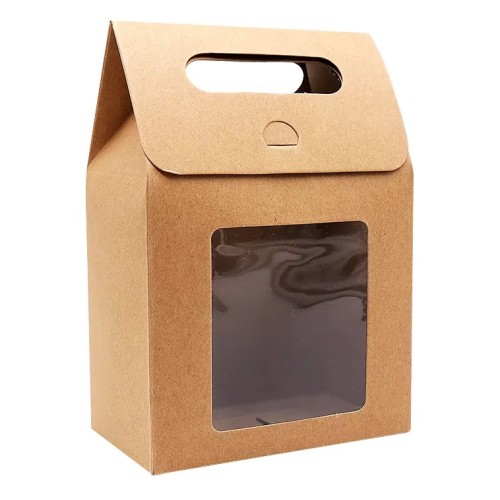
Display boxes
Custom Window Packaging Boxes
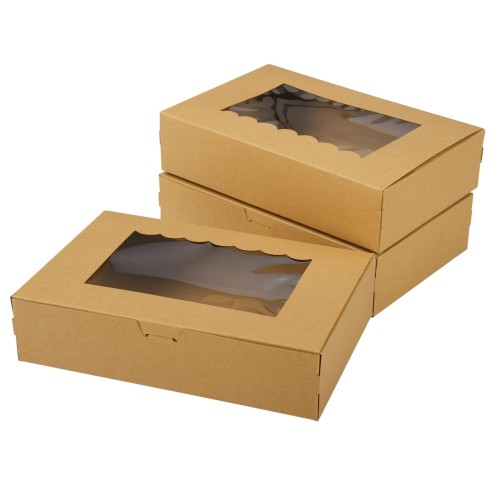
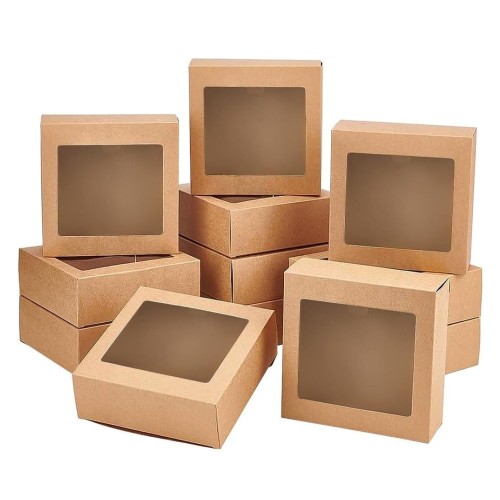
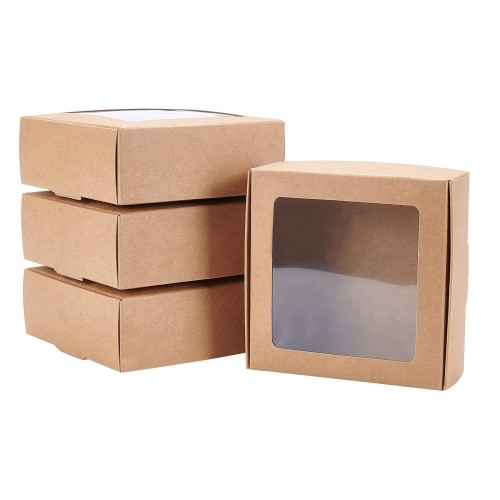
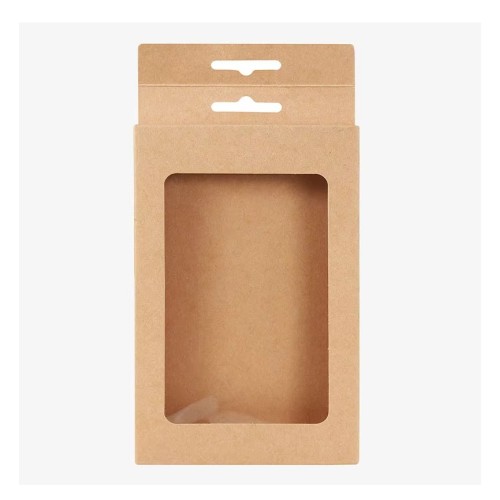
Custom window packaging boxes with open or clear-film windows for retail products. Customize box size, window shape, paper material, printing and finishing.
Custom window packaging boxes allow customers to see part of the product while keeping the rest of the packaging available for branding, product information and protection.
The window can be a simple open cut-out or combined with a clear film, depending on the product, packaging structure and retail requirements.
When developing a window box, the important questions are not only how large the window should be, but also where it should be positioned, what needs to remain protected and whether a film is actually necessary.
Open Window or Clear Film Window?
One of the first decisions is whether the window should remain open or use a transparent film.
Open Window
An open window uses a die-cut opening without a transparent film.
It can be considered when direct product visibility is important and the product does not require the window to be covered.
The suitability depends on the product and how the package will be handled, displayed and transported.
Clear Film Window
A clear film can be attached behind the window opening when the product needs to remain visible while the opening is covered.
The appropriate film and attachment method depend on the box structure, window size, product requirements and target market.
The choice should therefore be based on function rather than assuming that every window box needs a transparent film.
Window Size and Position
A larger window is not automatically better.
The window removes part of the paperboard structure, so its size and position can affect the strength and appearance of the box.
Before confirming the window, consider:
- Which part of the product should be visible
- Distance between the window and fold lines
- Remaining paperboard around the opening
- Product position inside the box
- Printing and branding area
- Whether an insert is needed
- How the box will be packed and transported
A window that looks attractive on artwork may need adjustment once the actual product and box structure are considered together.
Common Window Shapes
Window openings can be customized according to the product and artwork.
Common options include:
- Rectangular windows
- Square windows
- Rounded windows
- Product-shaped windows
- Custom die-cut shapes
Complex shapes may require more attention to corners, narrow paper areas and the relationship between the window and fold lines.
The goal should be to create useful product visibility without unnecessarily weakening the surrounding structure.
Paper Materials and Box Structure
Window packaging can be developed using different paperboard materials depending on the required appearance and structure.
Material selection should consider:
- Product weight
- Box dimensions
- Window size
- Printing requirements
- Finishing requirements
- Retail presentation
- Packing and shipping conditions
The paperboard thickness should not be selected independently from the window design.
A large opening may require a different structural approach from a smaller window on the same box size.
Printing and Finishing Options
The paperboard area around the window can be customized with printing and finishing according to the brand design.
Depending on the project, options may include:
- CMYK printing
- Pantone spot colors
- Foil stamping
- Embossing or debossing
- Spot UV
- Surface coatings or lamination
Finishing should be selected according to the paper material, artwork, packaging structure and target-market requirements.
For many projects, the window itself already creates a strong visual element, so additional finishing does not need to be excessive.
Does a Window Box Need an Insert?
Not always.
An insert may be useful when the product needs to remain in a specific position behind the window.
For example, an insert can help when:
- The visible area needs to stay aligned with the window
- The product may move inside the box
- Several components need to remain separated
- Additional internal support is required
However, an insert should not simply compensate for an oversized box.
The product dimensions, internal box size and window position should be reviewed together before deciding.
Common Applications
Custom window packaging can be used for many retail products, including:
- Cosmetics and personal care products
- Gifts and accessories
- Apparel and textile products
- Toys and small household products
- Electronics accessories
- Selected food products where the packaging specification is suitable for the intended use
The structure should always be developed according to the actual product rather than choosing a window style based only on appearance.
What Information Do We Need for a Quote?
To evaluate a custom window packaging project, please provide:
- Product dimensions
- Product weight
- Box dimensions, if already confirmed
- Product photos
- Preferred window shape and approximate size
- Open window or clear film preference
- Paper material, if known
- Printing and finishing requirements
- Artwork or design reference
- Order quantity
If the structure has not yet been finalized, a reference image can also help explain the intended packaging direction.
What Should Be Checked Before Production?
Before bulk production, useful checks can include:
- Product fit
- Window size and position
- Product visibility through the window
- Distance between the window and fold lines
- Film attachment, when applicable
- Insert position, when applicable
- Artwork alignment
- Finished box dimensions
- Folding and assembly
A physical sample can be particularly useful when the product needs to align precisely with the window opening.
Custom Window Packaging Manufacturing
Jeeli Packaging supports custom packaging manufacturing, including structure review, paper selection, printing, finishing, sampling and bulk production.
For window packaging projects, we can review the relationship between the actual product, box dimensions, window position and internal structure before production.
If you already have a dieline, send it together with the product information and artwork for review.
If you only have a reference image or packaging concept, send us the product dimensions, quantity and intended packaging requirements so the structure can be discussed before sampling.